

If you are looking for mobility scooter grants, it helps to know the picture from the start. There is no single government grant that pays for a mobility scooter. Instead, help comes from a mix of charities, the Motability Scheme, tax relief, and, in some areas, local council or health service support. Which of these you can use depends on your condition, your benefits, your income, and where you live.
This guide covers the main options for mobility scooter grants in the UK, who they are for, and how to apply. We have also included what is available in Ireland, and some ways to cut the cost if a grant is not an option.
In short:
- No national government grant buys a mobility scooter, but some government schemes and reliefs can help with the cost.
- Charities are the main source of grants, and most want to see that you can’t afford a scooter or get one another way.
- If you get the enhanced rate of the PIP mobility component, or another qualifying benefit, you may be able to lease a scooter through the Motability Scheme.
- Many people can buy a class 2 mobility scooter without paying VAT.
- Most funders won’t pay for a scooter you have already bought, so apply before you buy.
Are there mobility scooter grants in the UK?
Yes, but they work differently from what many people expect. A mobility scooter grant is money, or sometimes the equipment itself, awarded by a charity or trust to someone who meets its criteria. You don’t have to pay it back.
Most funds look at three things: your condition or circumstances, your household income and savings, and whether you could get a scooter another way. Some are open to anyone with a disability or health condition. Others are only for people with a specific condition, people who have served in the armed forces, or families raising a disabled child.
Many charities don’t hand money to you directly. Some pay the supplier, and some arrange the scooter themselves after an assessment. Demand is high, and funds can close to new applications at short notice, so check each charity’s website before you start.
Are there mobility scooter government grants?
The government doesn’t run a grant that buys mobility scooters. However, a few schemes sit close to the subject and are easy to mix up. This table shows what each one covers:
| Support | What it covers | Will it fund a scooter? |
|---|---|---|
| Motability Scheme | Leasing a scooter, powered wheelchair, or car using a qualifying mobility benefit | Yes, as a lease, if you qualify |
| Access to Work | Equipment and support to help you get into or stay in work | Possibly, if you need it to do your job. It isn’t designed for everyday use |
| Disabled Facilities Grant | Changes to your home, such as ramps and step-free access | No, but it may help with access at home |
| VAT relief | Removes VAT on eligible mobility products | Lowers the price of an eligible scooter, but isn’t a grant |
| NHS | Assessments and some mobility equipment, such as wheelchairs | Not generally |
Access to Work. Access to Work can give you a grant for things like specialist equipment, support workers, and travel to work if you can’t use public transport. You don’t pay it back, and it doesn’t affect your other benefits. It is aimed at getting into or staying in work, so it is worth a look if you need mobility support to do your job.
Disabled Facilities Grant. Your council can award a Disabled Facilities Grant towards changes to your home. It won’t buy a scooter, but if getting in and out of your home is the problem, it may be worth asking about.
The NHS. The NHS doesn’t generally provide mobility scooters. Your GP, physiotherapist, or occupational therapist can refer you to your local wheelchair service for an assessment, which can help you work out what kind of equipment suits you. There is more on the NHS guide to walking aids, wheelchairs, and mobility scooters.
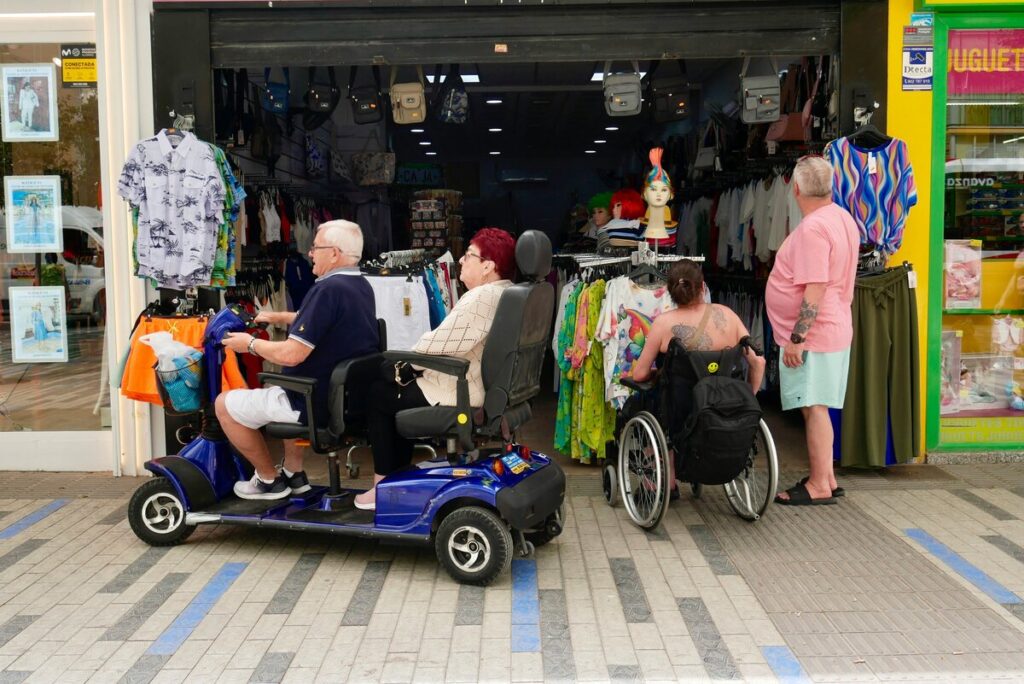
Charities that offer disability grants for mobility scooters
Charities are where most disability grants for mobility scooters come from. Here are some places to start:
- Mobility Trust: Arranges an assessment and, where appropriate, funds the purchase of recommended equipment for people with severe disabilities. It doesn’t give money to individuals to buy their own, and you will need to share bank statements as part of your application. It can’t fund a boot scooter or powered wheelchair for travelling unless suitable adaptations, such as a boot hoist or ramp, are already fitted to your vehicle.
- The Hospital Saturday Fund: Considers partial or full grants towards specialised mobility equipment, including mobility scooters, for people in the UK and the Republic of Ireland. You can apply for up to £2,000 or €3,000. If you’re requesting more than £1,000, you must also approach other funders. A professional supporter, such as a healthcare professional or support organisation, must submit the application on your behalf. The fund aims to make a decision within 8–12 weeks and only covers purchases made after funding is approved.
- Condition and service charities: Some charities support people with a particular condition or background. Some local MS Society groups offer grants to people living with multiple sclerosis. Although the national grants programme is closed, it is worth contacting your local group to find out what financial support may be available. Also, BLESMA supports current and former service personnel who have had life-changing injuries.
- Turn2us Grants Search: A free tool that matches you with grants based on your circumstances.
- Better Mobility’s charity funding list: The NHS points to this list of charities that can help pay towards a scooter.
Local charities and community groups can help too. Your local Age UK, Citizens Advice, or council disability team may be able to point you to funds you wouldn’t find online, and some will help you fill in the application. Criteria change, so confirm the details with each funder before you apply.
Can I get a mobility scooter through Motability?
The Motability Scheme isn’t a grant, but it is one of the most useful routes to a scooter if you qualify. To be eligible, you need to receive one of the following:
- The enhanced rate of the mobility component of Personal Independence Payment (PIP)
- The higher rate of the mobility component of Disability Living Allowance (DLA)
- Armed Forces Independence Payment (AFIP)
- War Pensioners’ Mobility Supplement (WPMS)
You swap your mobility allowance for a lease on a new scooter or powered wheelchair, usually for three years. The lease typically includes insurance, servicing, and breakdown cover. Some models need an advance payment, and the scooter is leased rather than owned, so it goes back at the end. You don’t need a driving licence. The changes to the scheme from July 2026 apply to cars and wheelchair accessible vehicles, not to scooter and powered wheelchair leases.
If you receive the standard rate of the PIP mobility component, you won’t qualify for the scheme, but you may still find help elsewhere in this guide. Our sister brand Surewise has a handy guide to Motability Scheme eligibility if you want more detail.
The Motability Foundation also awards means-tested grants, but these are for people already on the scheme and focuses on cars, wheelchair accessible vehicles, and adaptations. Most Motability Foundation grants for vehicles belonging to the scheme focus on cars, wheelchair-accessible vehicles, and adaptations. However, it may also help towards the cost of mobility equipment, including scooters, through its Access to Work grant programme, subject to eligibility.
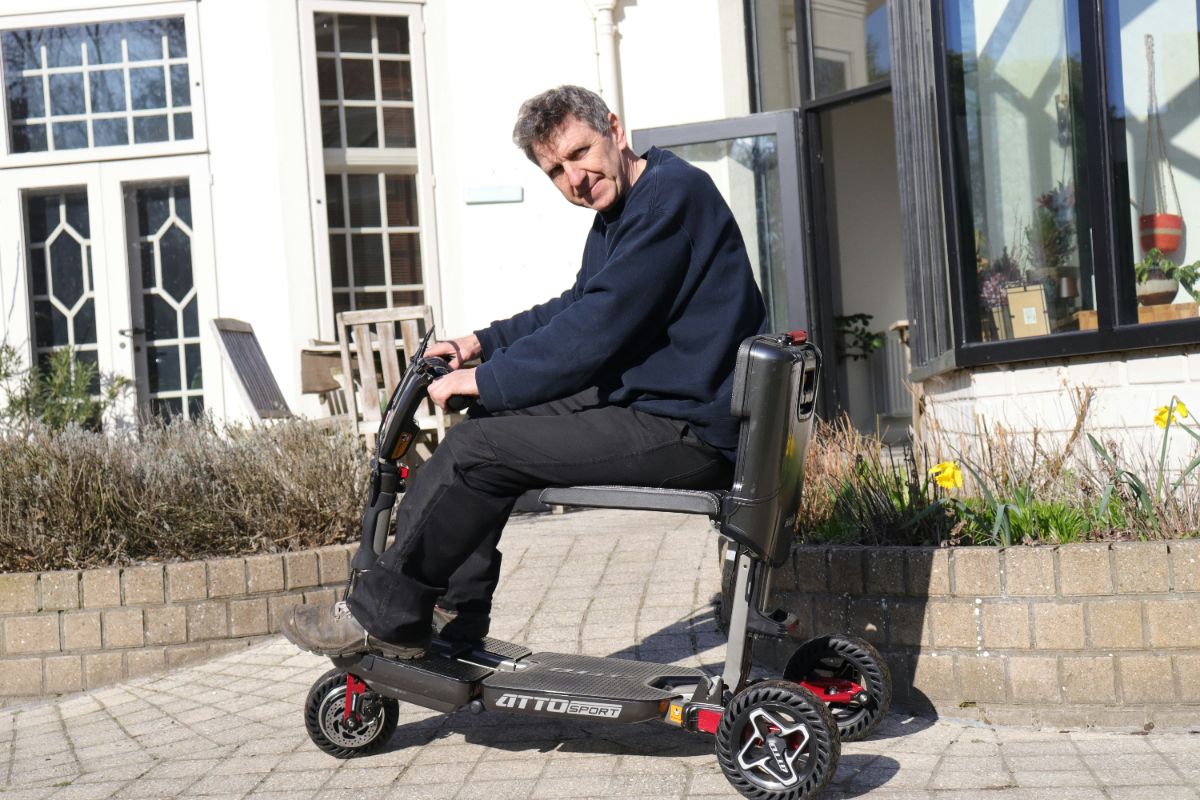
Other ways to bring costs down
If you can’t get a grant, these options can still make a scooter more affordable:
- VAT relief: If you are chronically sick or disabled and the scooter is for your own use, you can buy a class 2 scooter (4mph maximum, for pavements) without paying VAT. Class 3 scooters, which are road legal, only qualify if they were designed solely for disabled people. You will usually sign a short declaration, and you don’t need to be registered disabled or claim any benefits. GOV.UK explains how VAT relief works.
- Finance: Many mobility retailers offer finance, and some accept buy now pay later services. Compare the total cost, including any interest, before you sign up.
- Second-hand scooters: A used scooter can cost far less than a new one. Our guide to buying a second-hand mobility scooter covers what to check first.
- Your local council: Ask your council’s adult social care team what support exists in your area.
- Try before you buy: The NHS suggests trying different scooters before you decide, which can save you from paying for one that doesn’t suit you.
Grants for mobility scooters in Ireland
If you are searching for a mobility scooter grant in Ireland, the picture is different. The HSE doesn’t currently provide grants to individuals to buy powered mobility equipment. Instead, equipment is supplied after an assessment of clinical need, and the HSE keeps ownership of it, which is why part-funding isn’t generally offered. The Mobility Allowance scheme closed to new applicants in 2013.
If you live in the Republic of Ireland, these are good first steps:
- Ask your GP or an occupational therapist about an assessment through your local HSE community healthcare service.
- Contact the Irish Wheelchair Association for advice on services and support.
- Ask a healthcare professional or support organisation to apply to The Hospital Saturday Fund on your behalf.
Northern Ireland is part of the UK, so the schemes and charities earlier in this guide apply there. The rest of this article refers to the UK.
How to improve your chances of getting a mobility scooter grant
Funders get far more applications than they can fund. These steps can help yours stand out:
- Get an assessment. A recommendation from an occupational therapist or wheelchair service shows the scooter is the right kind of equipment for your needs, and many funders ask for one.
- Check you’re eligible first. Read the funder’s criteria or call them before you apply, so you don’t spend time on a fund that isn’t open to you.
- Apply before you buy. Most funders won’t pay for items you have already bought.
- Gather your evidence. You may need proof of benefits, details of your income and savings, medical information, and a quote for the scooter.
- Apply to more than one fund. If one says no or has closed, you will have others in progress.
- Be careful with fees. Be cautious of anyone who asks you to pay to access a grant.

Protecting your scooter once you have it
However you get your scooter, whether through a grant, lease, or your own savings, it is worth thinking about insurance. Mobility scooter insurance isn’t a legal requirement, but the UK government recommends it, and leases through Motability usually include it. If you buy a scooter, or a charity or local scheme helps you get one, check who is responsible for insuring it, as you may need to arrange cover yourself.
Our mobility scooter insurance, provided by our sister company Surewise, covers theft, accidental damage, and public liability up to £2 million, with up to 90 days of cover abroad. You can get a mobility scooter insurance quote online in a few minutes, or contact us if you have questions.
Frequently Asked Questions
Can I get a free mobility scooter from the government?
The government doesn’t give out free mobility scooters, and the NHS doesn’t generally provide them. Free or part-funded scooters usually come from charities, so the Mobility Trust, the Hospital Saturday Fund, and Turn2us are good places to start.
Is there a mobility scooter grant for pensioners?
There isn’t a grant based on age alone. Help depends on your needs, your condition, and your finances. Your local Age UK may be able to help you search for funds and complete an application.
Can I get a mobility scooter on PIP?
PIP is a benefit rather than a grant, and it isn’t paid as a scooter. However, if you receive the enhanced rate of the mobility component, you can use it to lease a scooter through the Motability Scheme.
Can I apply for a grant after I have bought my scooter?
Usually not. Many funders, including the Hospital Saturday Fund, don’t pay for items you have already bought, so apply before you buy.
Are there mobility scooter grants in Ireland?
The HSE doesn’t offer grants to individuals for powered mobility equipment, but it can provide equipment after an assessment of clinical need. The Hospital Saturday Fund also considers applications from people in the Republic of Ireland.
Do I need insurance for a scooter I got through a grant or a charity?
Insurance isn’t a legal requirement for mobility scooters, but it is recommended. Motability leases usually include it. If you own the scooter, check who is responsible for cover, as you may need to arrange it yourself. You can get a quote for mobility scooter insurance online.

